3 February 2026
When waste heat becomes a resource
In February 2026, the Renault Trucks site in Lyon–Vénissieux reached a major milestone in its energy transformation with the inauguration of its new internal heating system, designed to reduce the site’s environmental footprint. Beyond the technical upgrade, this project reflects a broader ambition: to sustainably rethink the way the site produces and consumes energy, in line with its climate commitments and with the energy transition policies of the local area.
A clear pathway: carbon neutrality by 2040 across the entire value chain
In line with the Volvo Group’s commitments to the climate objectives of the Paris Agreement, Renault Trucks is working to reduce its greenhouse gas emissions across the entire life cycle of a truck – from design to use, including the energy consumption of the industrial sites where vehicles are manufactured.
The century-old Vénissieux site plays a key role in this transition. Before the implementation of the new internal heating system, building heating relied largelymainly on natural gas, one of the site’s main sources of CO₂ emissions.
Today, the site’s new heat network makes it possible to take concrete action on direct emissions, saving more than 2,000 tonnes of CO₂ per year.
Waste heat: a resource to be used
Industrial activities naturally generate heat (stamping, compressed air production, foundry operations). Until recently, this so-called “waste heat” was lost. It is now recovered and reused to heat buildings and supply certain industrial processes.
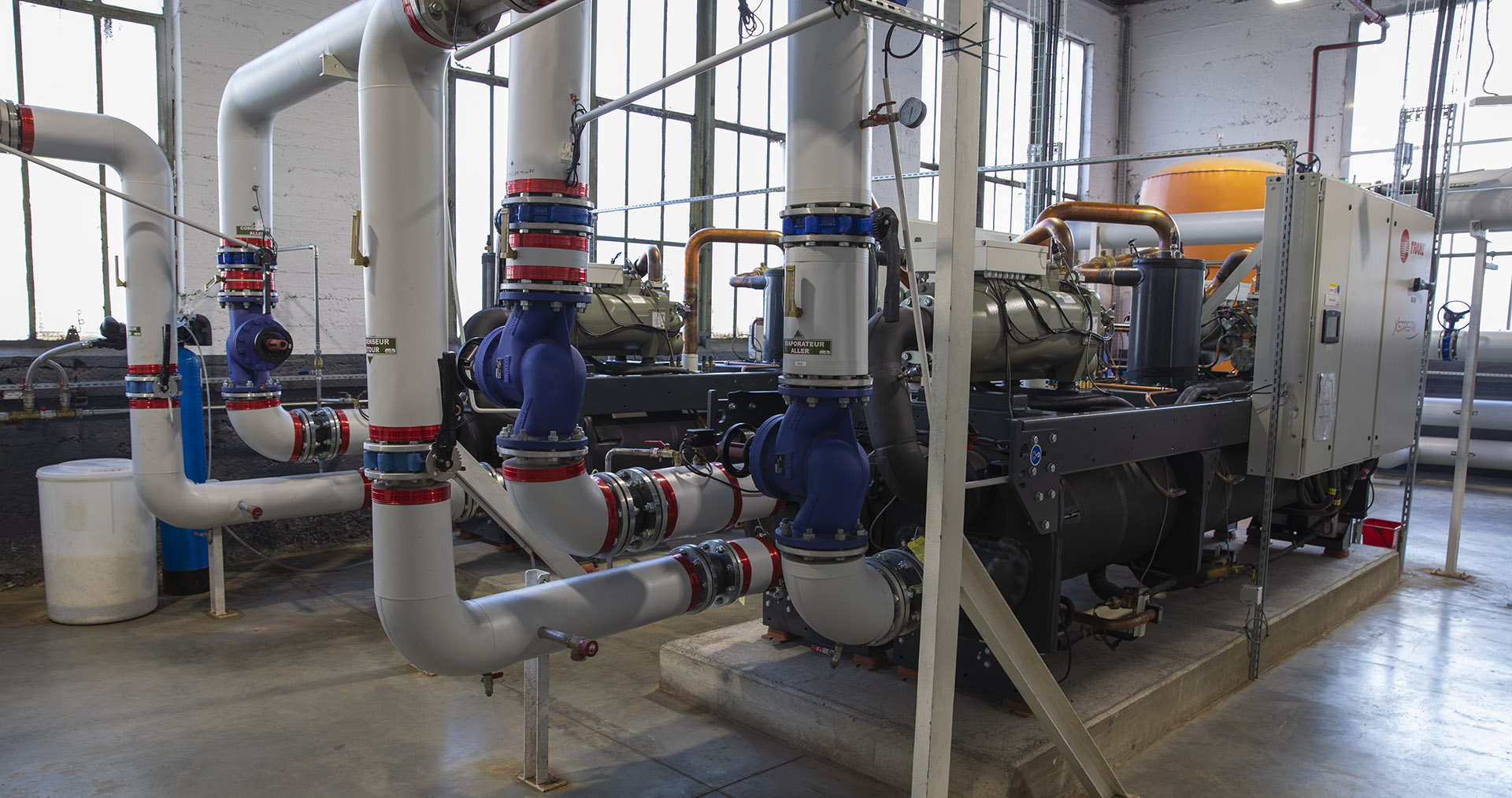
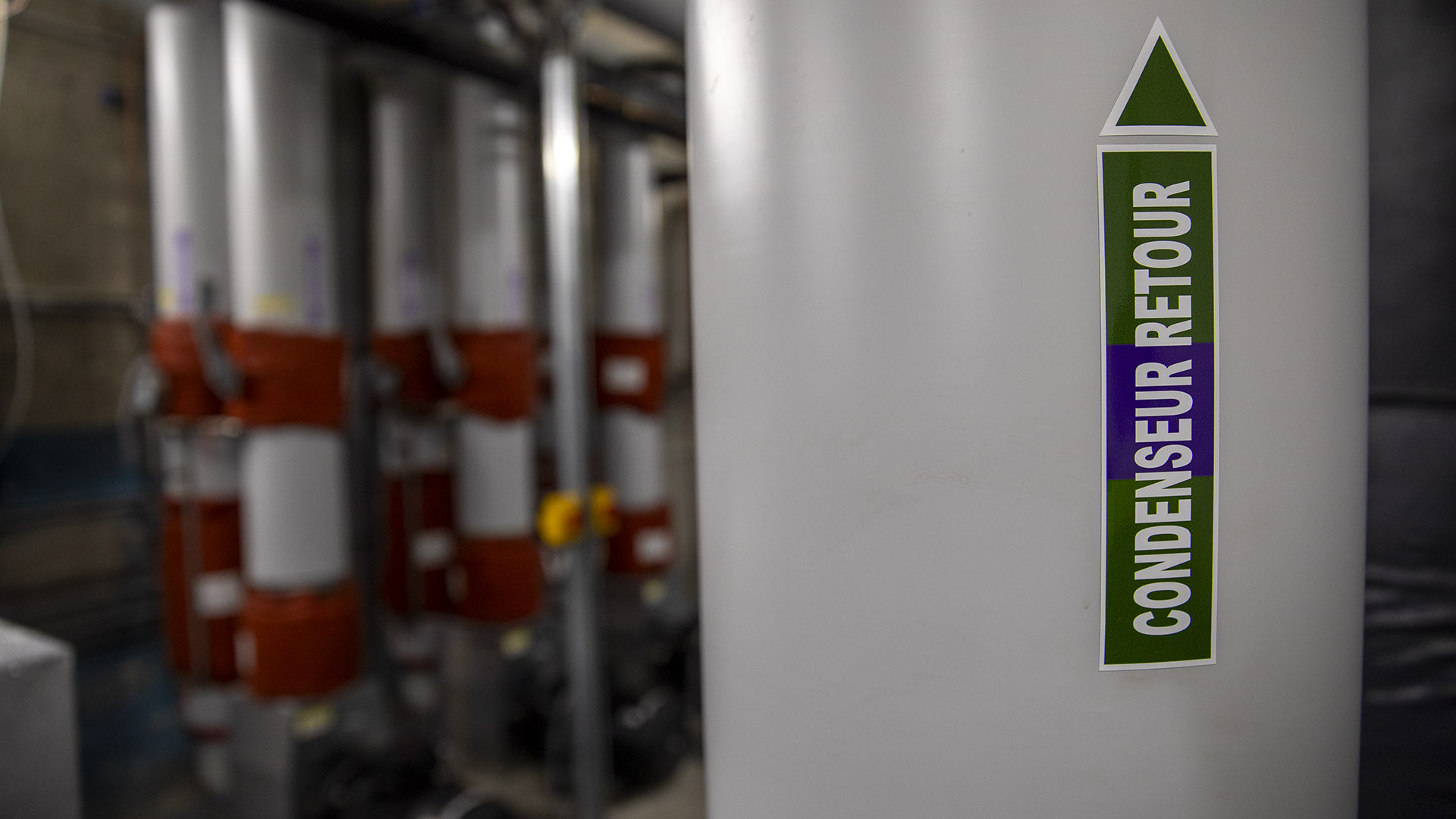
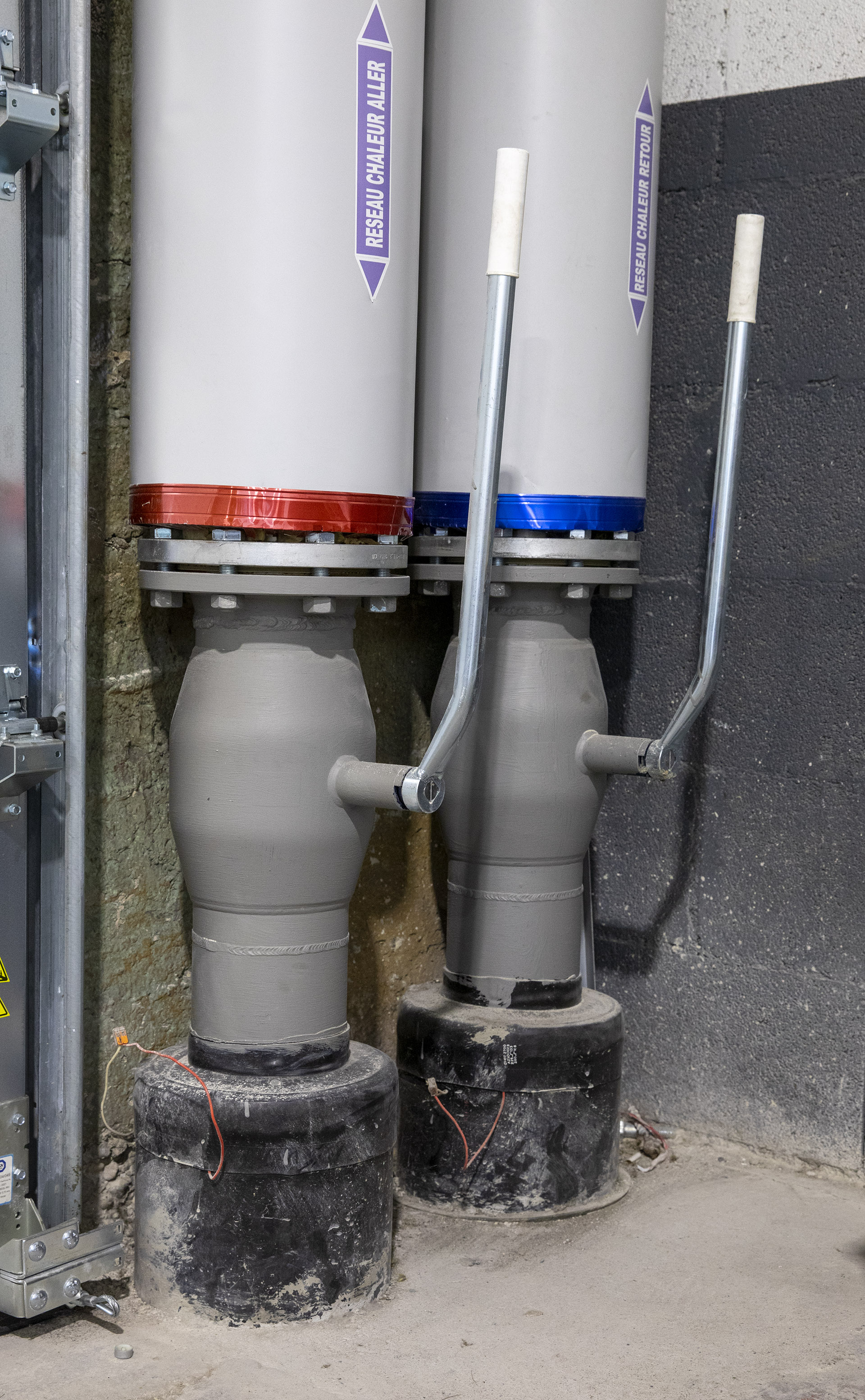
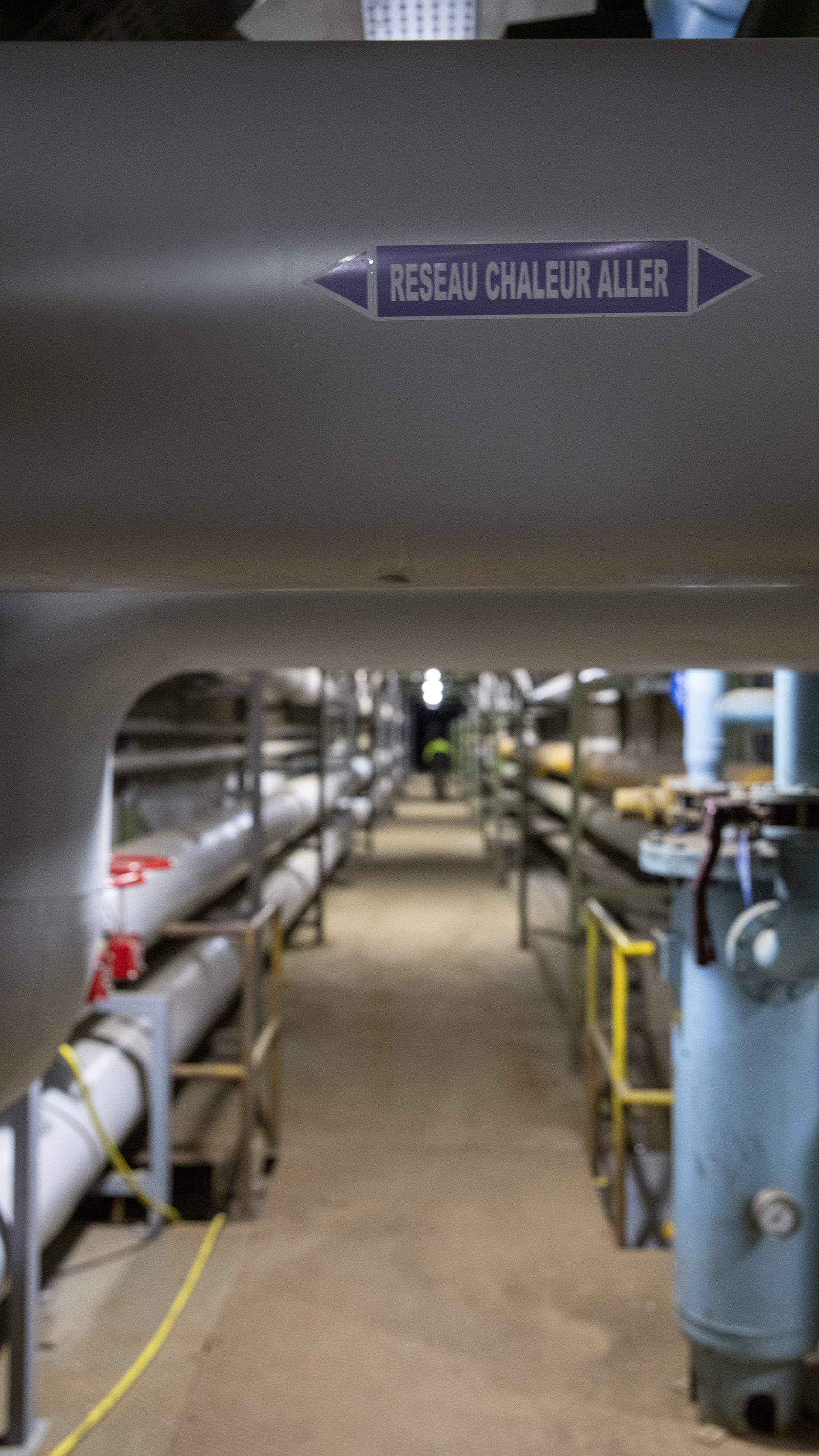
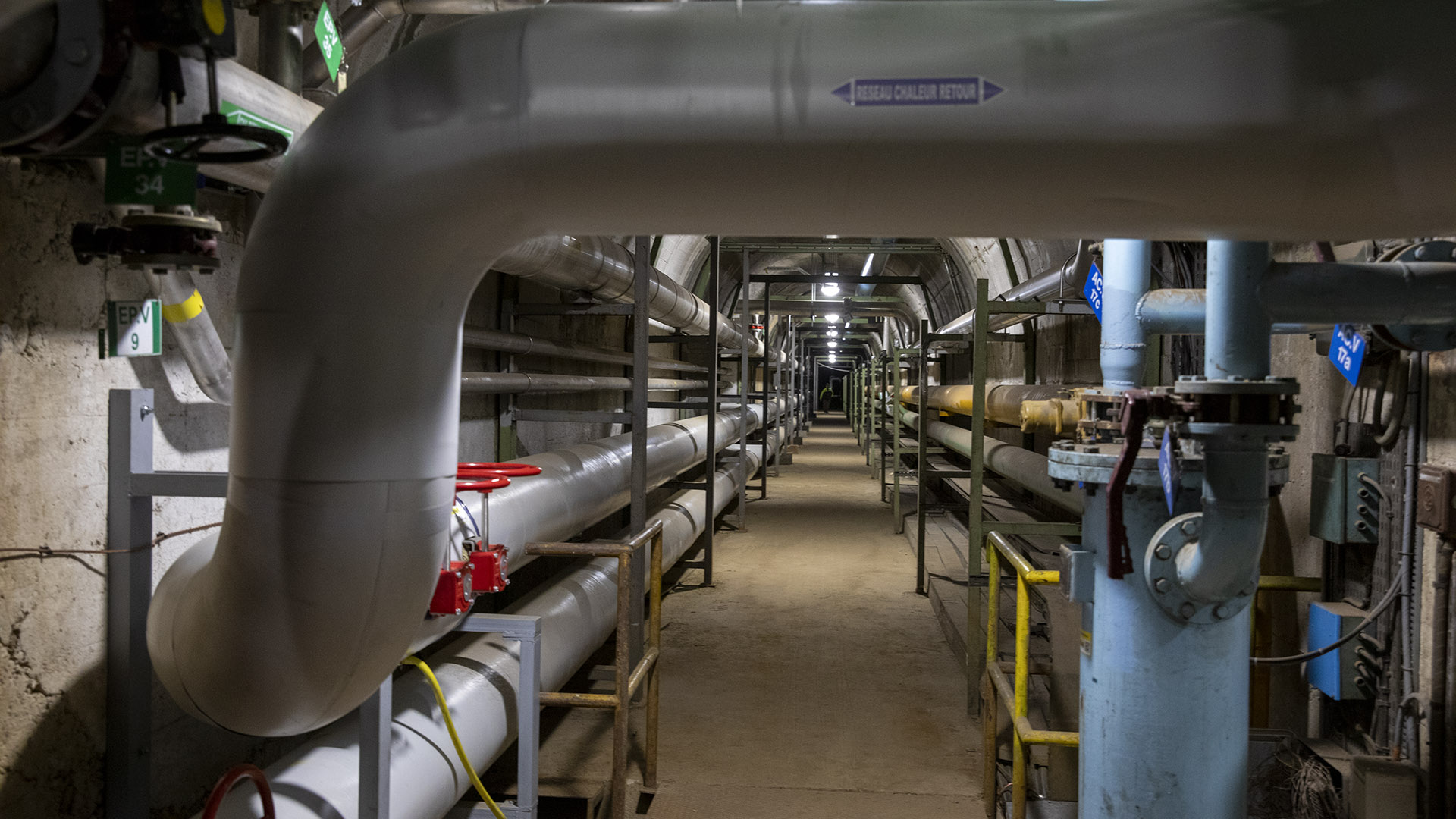
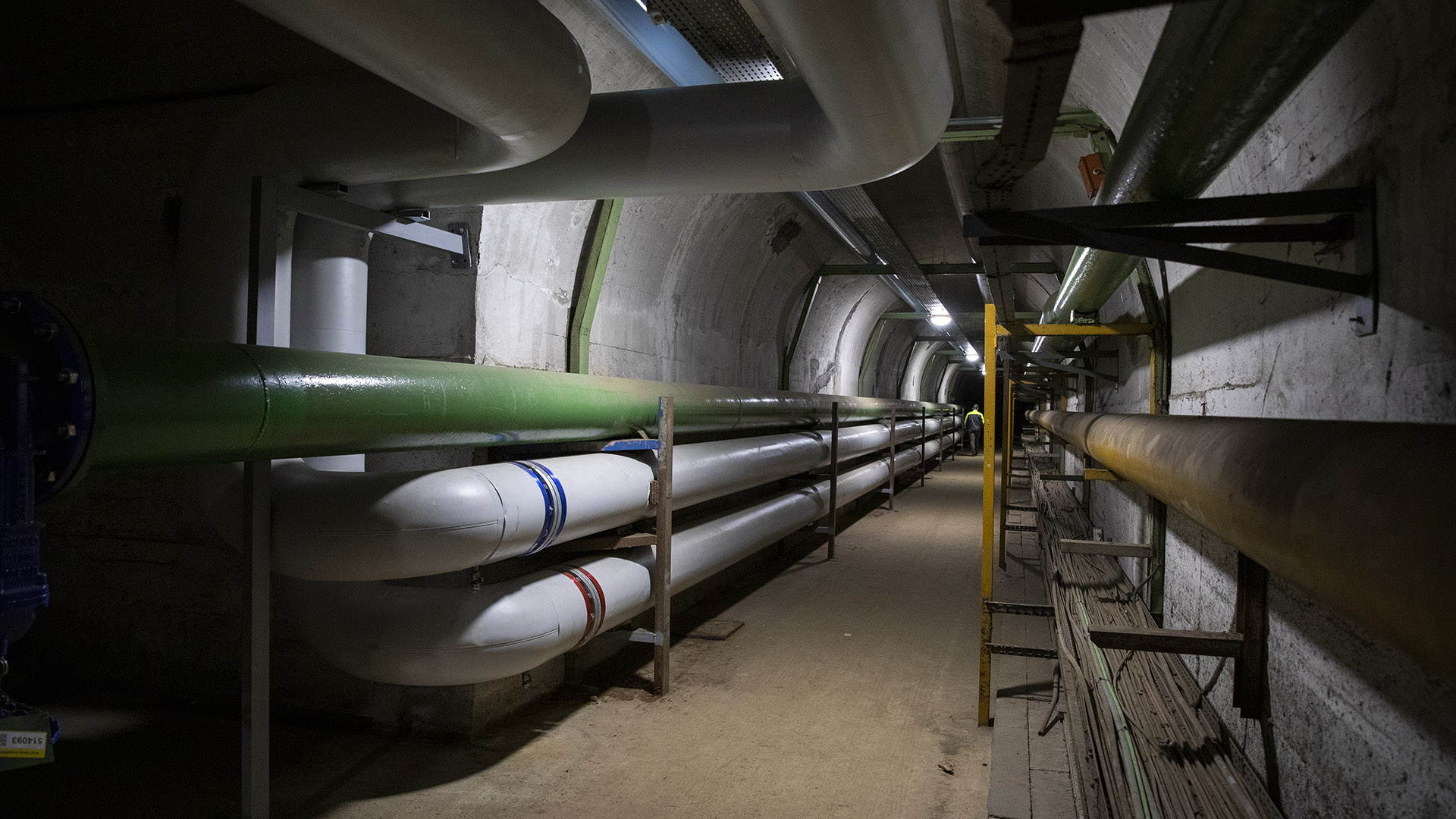
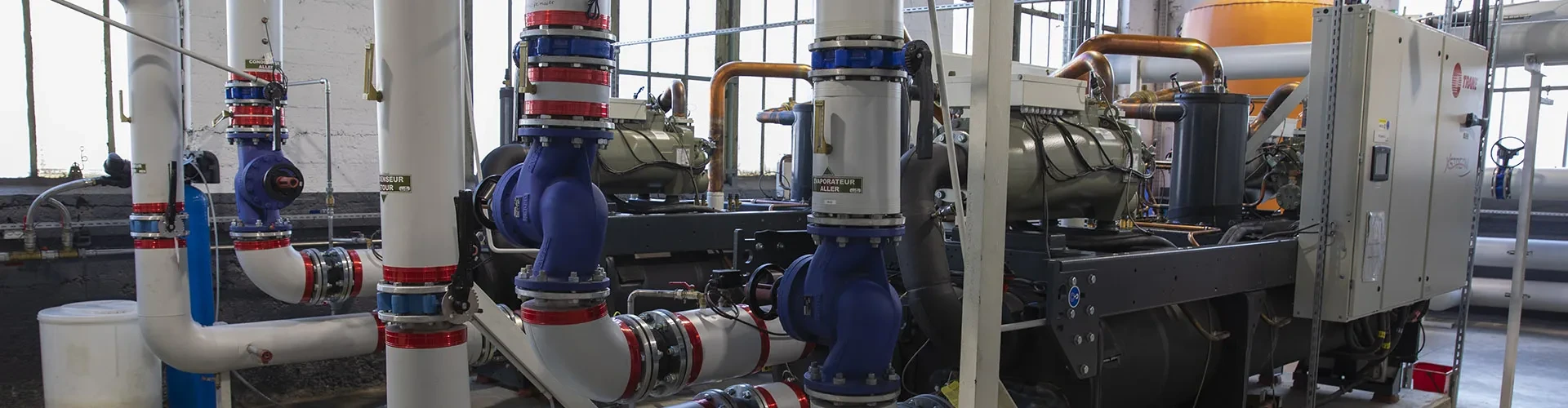
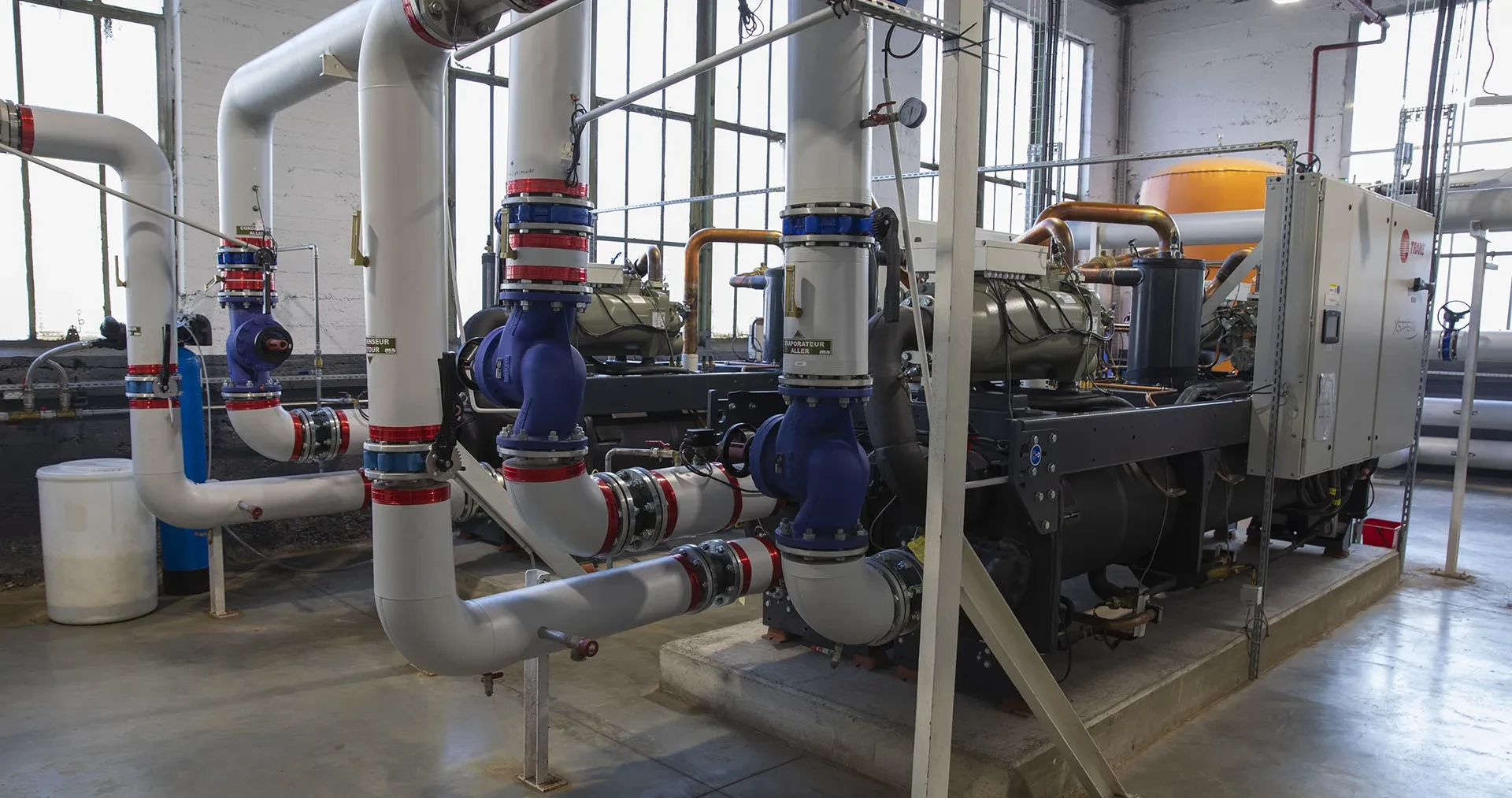
This principle lies at the heart of the site’s new decarbonised heating system, which required the dismantling of seven old gas boilers. The recovered heat is then centralised within a new internal heat network, consisting of 2.4 km of piping installed in the site’s technical galleries.
Complementarity between the internal heat network and the urban district heating network
The priority given to a local resource – waste heat – is reinforced by the site’s connection to the Lyon Metropolitan Area’s urban district heating network monitored by Dalkia. This network is supplied mainly by renewable and recovered energy sources, including waste heat from other industrial sites. This complementarity ensures a reliable energy supply while limiting the use of fossil fuels.
A triple benefit: climate, energy and performance
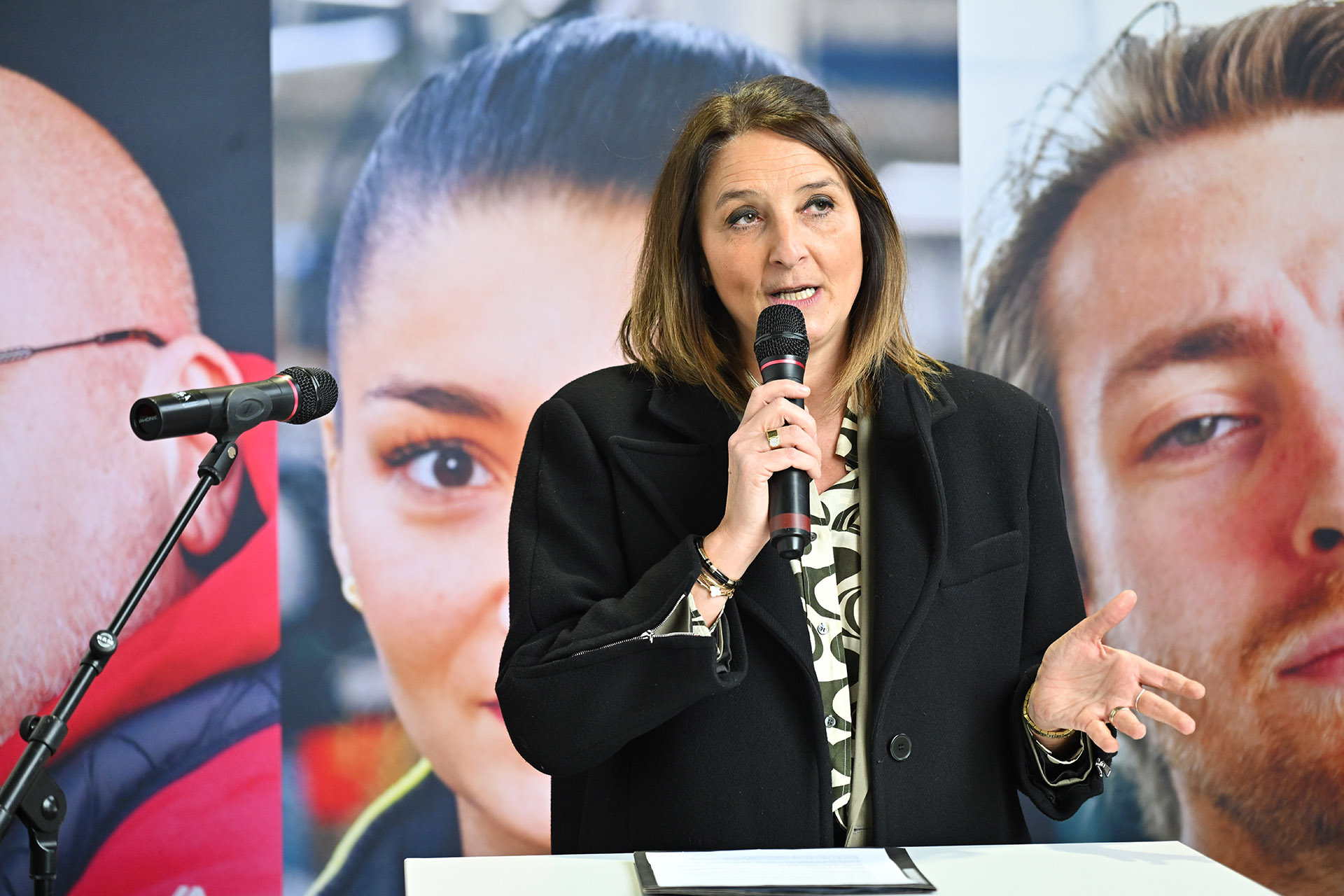
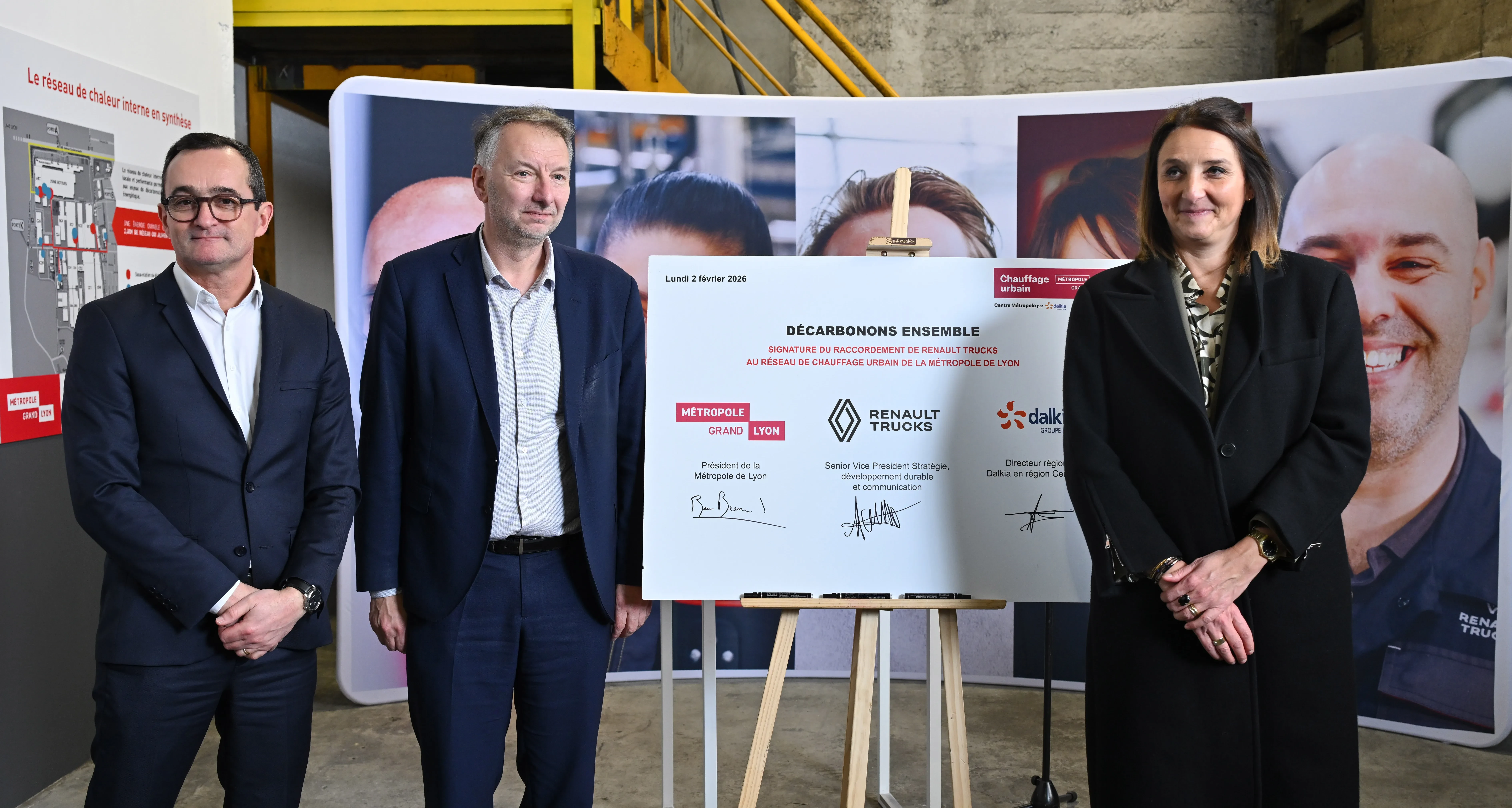
During the inauguration on 2 February, Karine Forien, Senior Vice President at Renault Trucks in charge of Strategy, Sustainability and Communication, highlighted that the internal heat network “offers a triple benefit: it helps to decarbonise our activities, strengthens the energy independence and security of our site, and delivers tangible cost savings.”
Several concrete figures illustrate the environmental, energy and economic benefits of this new decarbonised heating system:
- 2,000 tonnes of CO₂ avoided each year;
- Around 10% reduction in the site’s overall energy consumption (gas and electricity);
- A more secure and resilient energy supply, less exposed to energy price fluctuations and geopolitical risks.
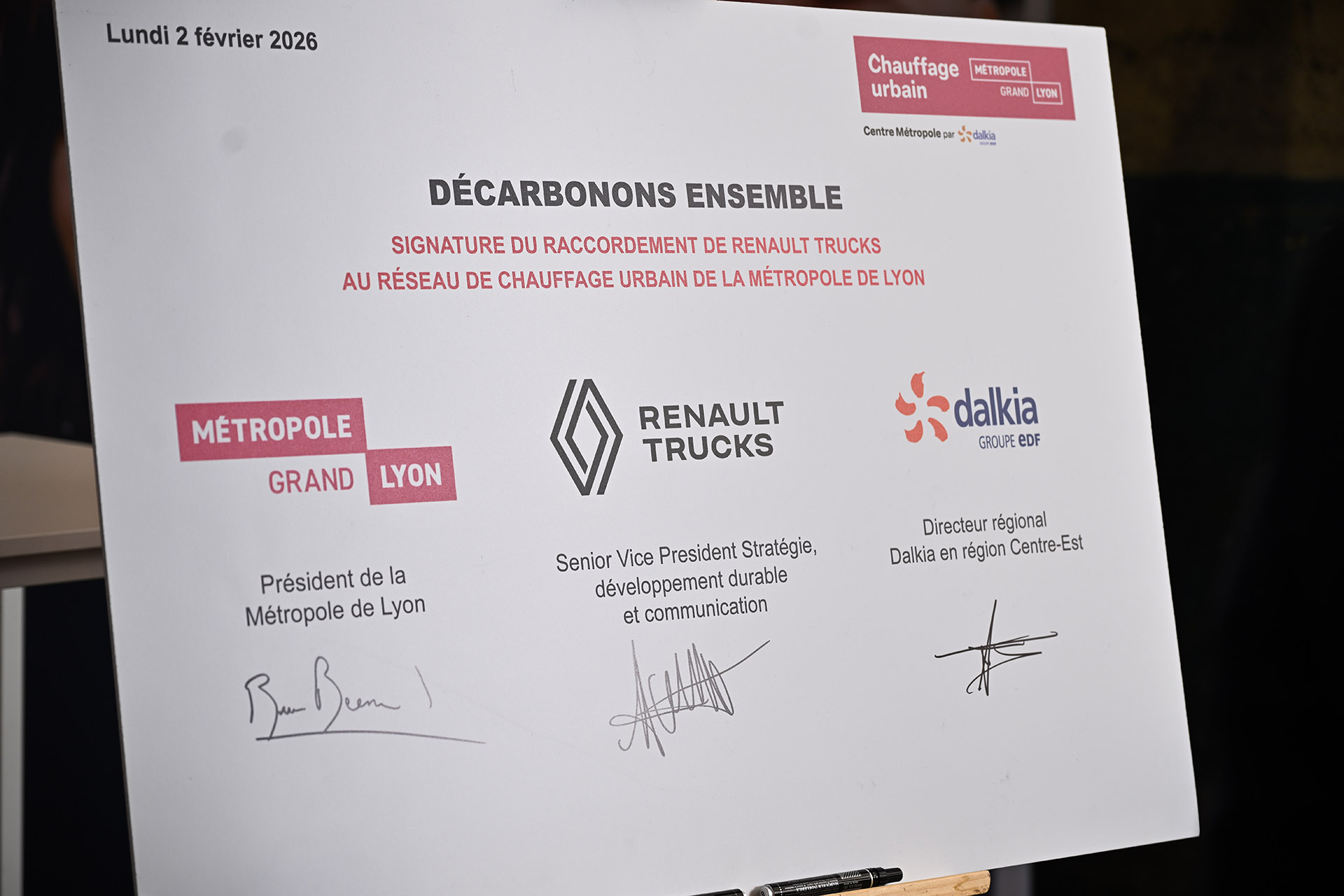
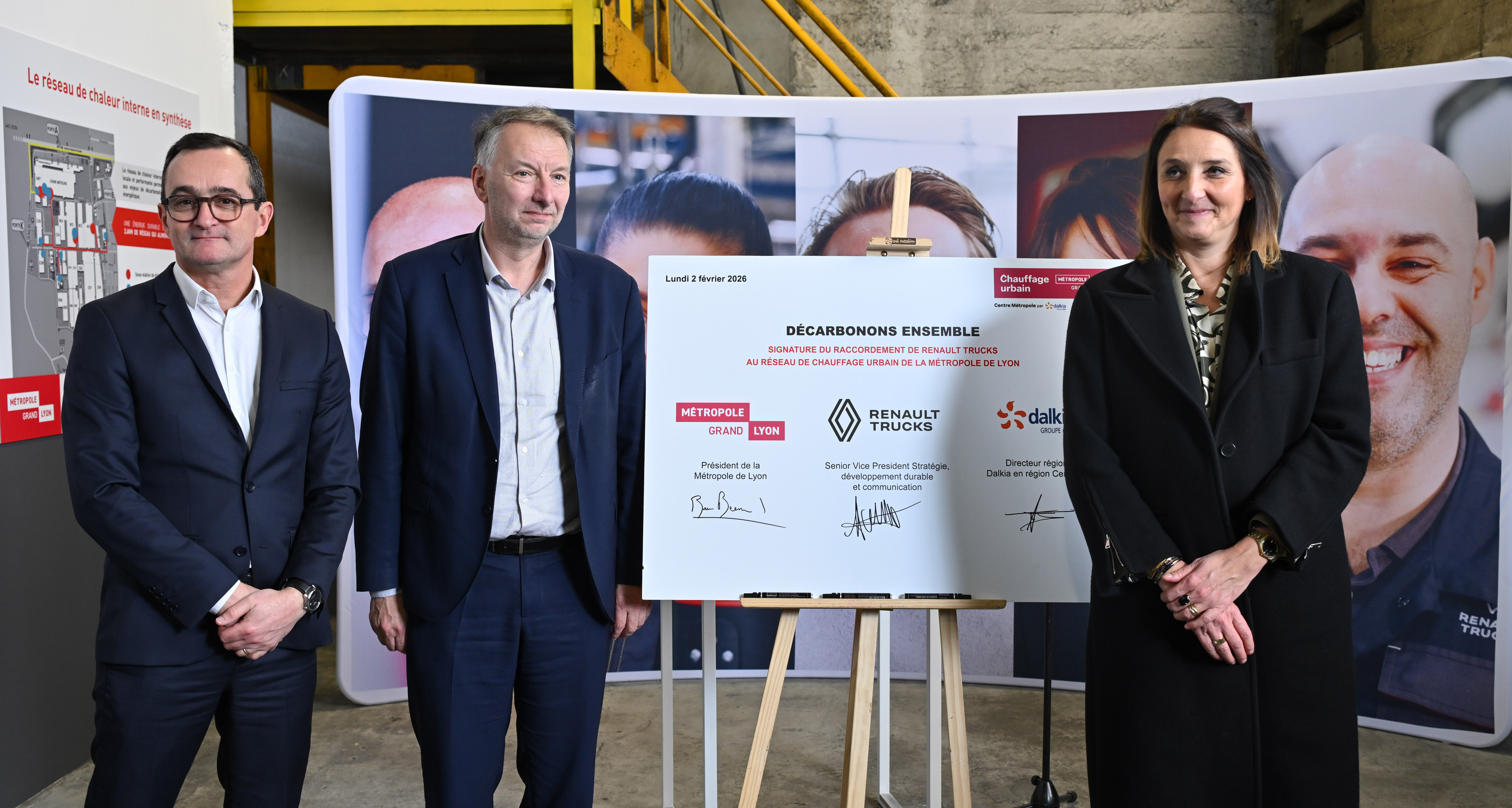
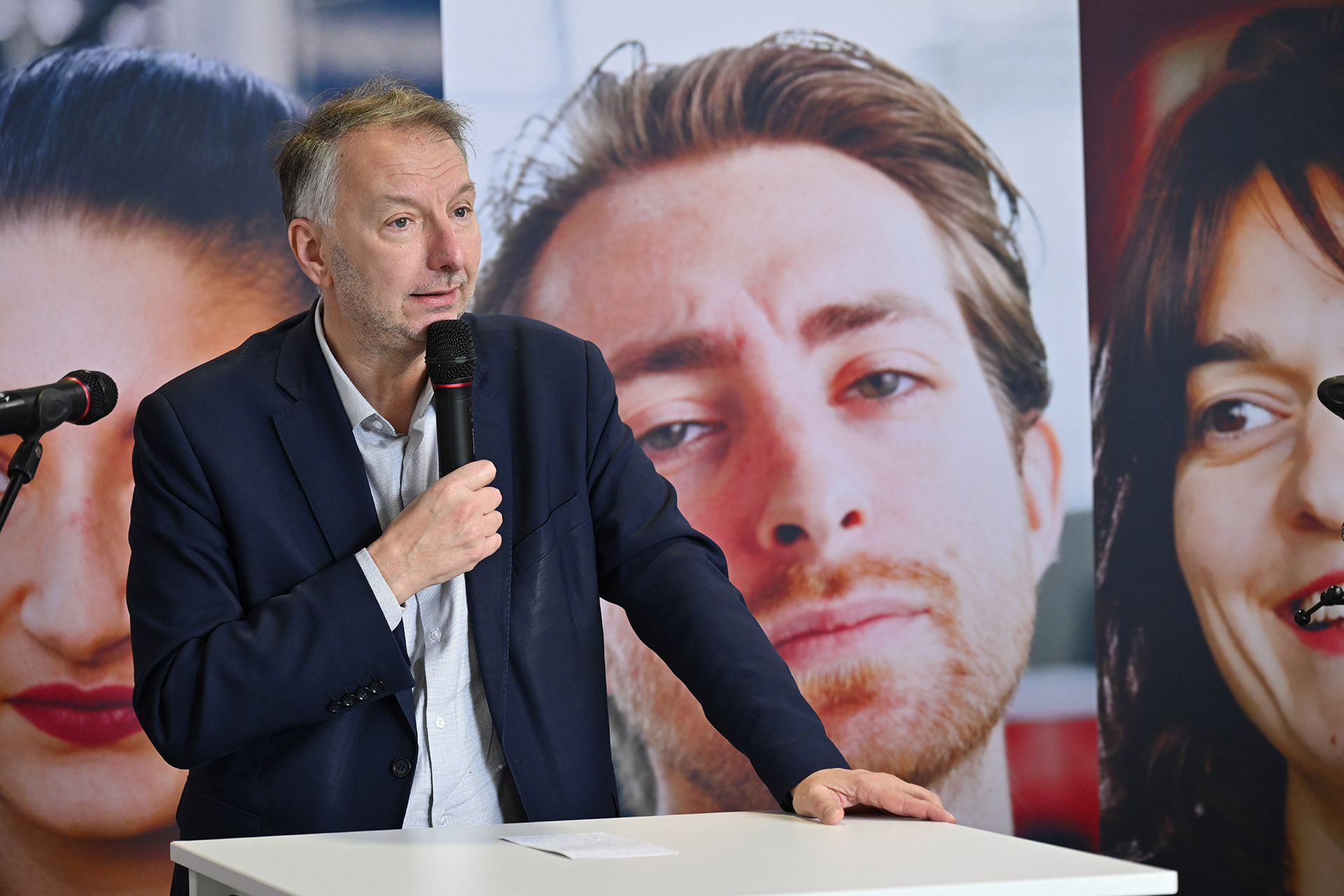
The inauguration of the internal heat network and the connection to the Lyon Metropolitan Area’s urban district heating network took place in the presence of the President of the Lyon Metropolitan Area, the Vice-President in charge of Energy and District Heating Networks, as well as Dalkia’s Regional Delegate.
Behind the scenes of the new Renault Trucks' internal heating system